This guide is written for curious travelers who want to understand what they are seeing instead of only photographing ridges. The goal is to handle reading the geology of the landscape with practical judgment: what to check, what to avoid, and how to keep enough margin for the desert to feel memorable rather than stressful.
The promise is simple: give simple cues for reading shapes, colors and textures without turning the visit into an academic lecture. Keep the main things to see on site and the conservation rules to respect open as companions, because they turn this advice into day-of decisions.
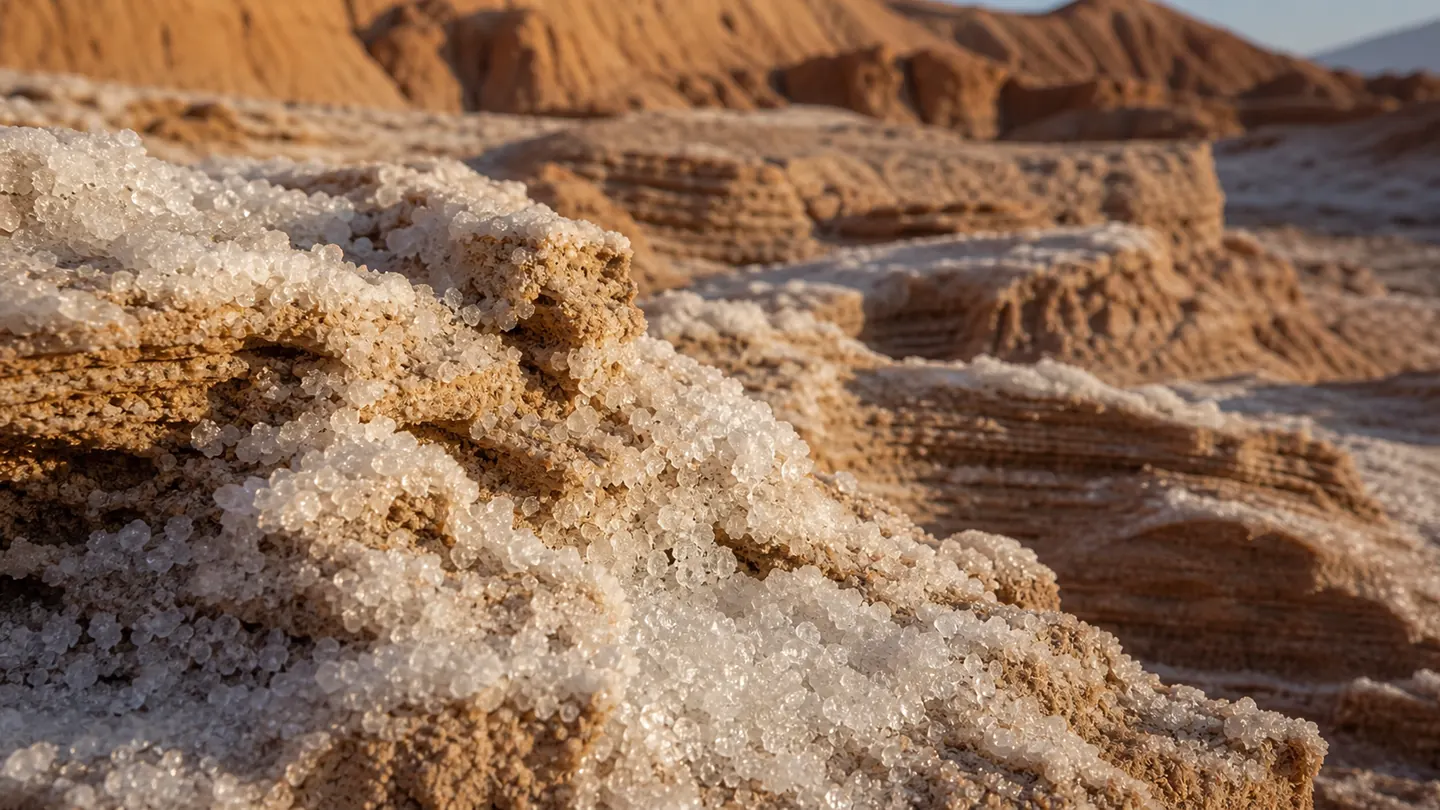
A landscape shaped over deep time
This matters because the official site refers to a formation process that began around 33 million years ago. A successful visit starts with this level of reading: before thinking about photos, transport or the next excursion, understand the constraint that shapes the day.
In practice, the ridges result from sedimentary deposits, tectonic pressure, faults and folds. That means accepting adaptation. Valle de la Luna is not an urban attraction with the same script every day; safety and conservation come first.
Practical application
- The official site refers to a formation process that began around 33 million years ago.
- The ridges result from sedimentary deposits, tectonic pressure, faults and folds.
- This history explains why the landscape feels mineral, dry and highly textured.
Turn this into one simple action: verify, reduce the plan if needed, then keep time to observe. This method makes the experience calmer, more professional and more respectful of the place.
The point is not to make the itinerary more complicated. It is to remove fragile assumptions before they create stress on site. When the plan has room to breathe, the same landscape becomes easier to understand, safer to enjoy and more memorable after the trip.
The role of Cordillera de la Sal
This matters because cordillera de la Sal is the visual backbone of the area. A successful visit starts with this level of reading: before thinking about photos, transport or the next excursion, understand the constraint that shapes the day.
In practice, its folded layers alternate clay, salt and sedimentary rock that catch the light differently. That means accepting adaptation. Valle de la Luna is not an urban attraction with the same script every day; safety and conservation come first.
Practical application
- Cordillera de la Sal is the visual backbone of the area.
- Its folded layers alternate clay, salt and sedimentary rock that catch the light differently.
- Observing the crests helps explain the organization of the site, not only its beauty.
Turn this into one simple action: verify, reduce the plan if needed, then keep time to observe. This method makes the experience calmer, more professional and more respectful of the place.
The point is not to make the itinerary more complicated. It is to remove fragile assumptions before they create stress on site. When the plan has room to breathe, the same landscape becomes easier to understand, safer to enjoy and more memorable after the trip.
Why so much white appears
This matters because the white surfaces are usually not snow; they often come from salt deposits and mineral crusts. A successful visit starts with this level of reading: before thinking about photos, transport or the next excursion, understand the constraint that shapes the day.
In practice, these surfaces are fragile and can be damaged by a single step outside the path. That means accepting adaptation. Valle de la Luna is not an urban attraction with the same script every day; safety and conservation come first.
Practical application
- The white surfaces are usually not snow; they often come from salt deposits and mineral crusts.
- These surfaces are fragile and can be damaged by a single step outside the path.
- That is a practical reason to respect marked trails, not just a generic rule.
Turn this into one simple action: verify, reduce the plan if needed, then keep time to observe. This method makes the experience calmer, more professional and more respectful of the place.
The point is not to make the itinerary more complicated. It is to remove fragile assumptions before they create stress on site. When the plan has room to breathe, the same landscape becomes easier to understand, safer to enjoy and more memorable after the trip.
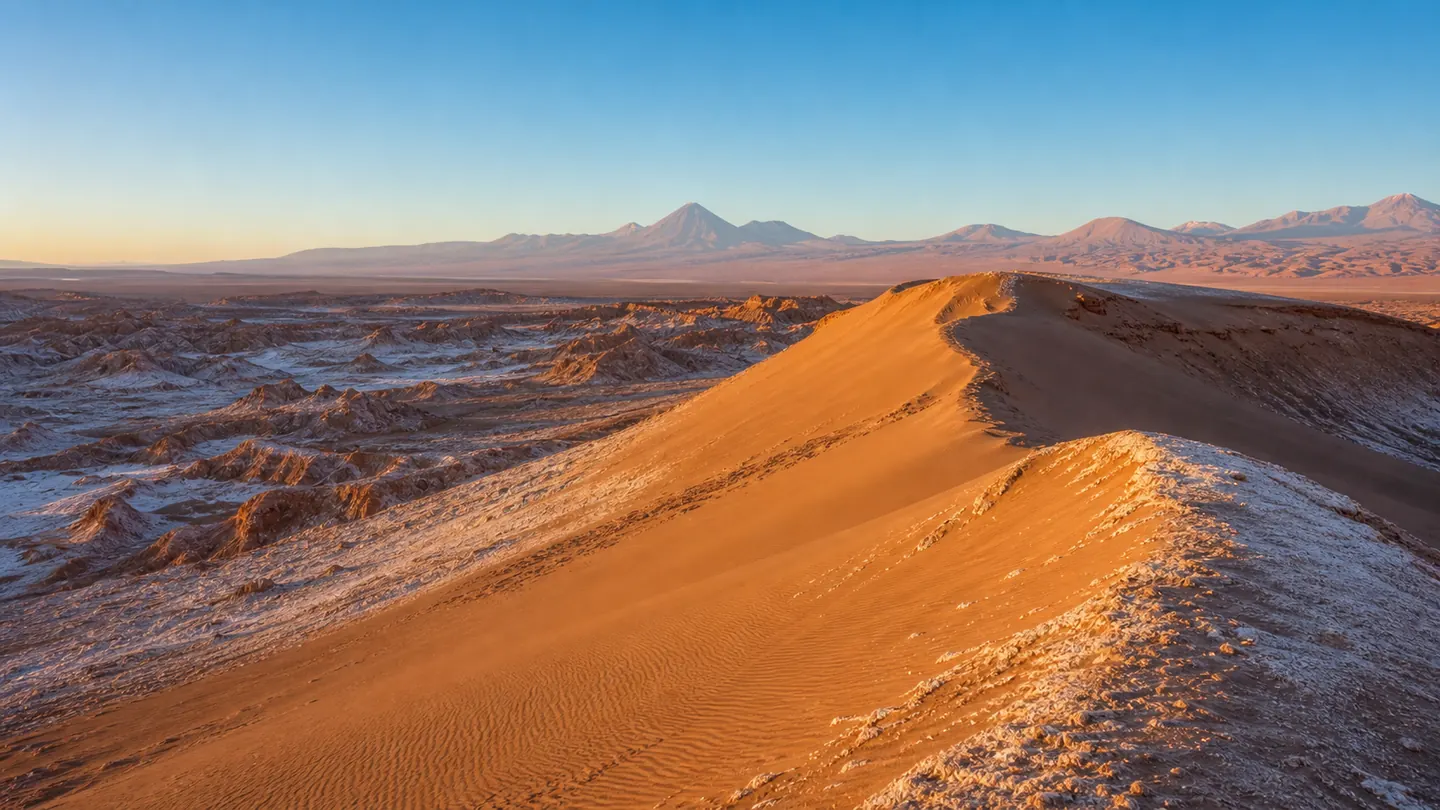
Erosion, wind and sculpted forms
This matters because wind, rare rain and temperature shifts gradually carve the edges. A successful visit starts with this level of reading: before thinking about photos, transport or the next excursion, understand the constraint that shapes the day.
In practice, rounded, ravined or sharp forms reveal different resistance between materials. That means accepting adaptation. Valle de la Luna is not an urban attraction with the same script every day; safety and conservation come first.
Practical application
- Wind, rare rain and temperature shifts gradually carve the edges.
- Rounded, ravined or sharp forms reveal different resistance between materials.
- The landscape changes visually with the sun angle because shadows reveal micro-relief.
Turn this into one simple action: verify, reduce the plan if needed, then keep time to observe. This method makes the experience calmer, more professional and more respectful of the place.
The point is not to make the itinerary more complicated. It is to remove fragile assumptions before they create stress on site. When the plan has room to breathe, the same landscape becomes easier to understand, safer to enjoy and more memorable after the trip.
Read color without exaggerating it
This matters because ochres, reds, grays and whites come from minerals, residual moisture and light. A successful visit starts with this level of reading: before thinking about photos, transport or the next excursion, understand the constraint that shapes the day.
In practice, sunset intensifies the palette but can make temporary colors seem permanent. That means accepting adaptation. Valle de la Luna is not an urban attraction with the same script every day; safety and conservation come first.
Practical application
- Ochres, reds, grays and whites come from minerals, residual moisture and light.
- Sunset intensifies the palette but can make temporary colors seem permanent.
- For photography, a natural color balance builds more trust than a fantasy edit.
Turn this into one simple action: verify, reduce the plan if needed, then keep time to observe. This method makes the experience calmer, more professional and more respectful of the place.
The point is not to make the itinerary more complicated. It is to remove fragile assumptions before they create stress on site. When the plan has room to breathe, the same landscape becomes easier to understand, safer to enjoy and more memorable after the trip.
Turn the visit into observation
This matters because a strong visit alternates wide views and details: crests, salt crusts, ravines and folds. A successful visit starts with this level of reading: before thinking about photos, transport or the next excursion, understand the constraint that shapes the day.
In practice, this approach makes each stop more interesting, even if some sectors are closed. That means accepting adaptation. Valle de la Luna is not an urban attraction with the same script every day; safety and conservation come first.
Practical application
- A strong visit alternates wide views and details: crests, salt crusts, ravines and folds.
- This approach makes each stop more interesting, even if some sectors are closed.
- It also reminds visitors that what is most precious is often underfoot and therefore vulnerable.
Turn this into one simple action: verify, reduce the plan if needed, then keep time to observe. This method makes the experience calmer, more professional and more respectful of the place.
The point is not to make the itinerary more complicated. It is to remove fragile assumptions before they create stress on site. When the plan has room to breathe, the same landscape becomes easier to understand, safer to enjoy and more memorable after the trip.
Action plan before you go
Use this checklist before committing to the day:
- Check official hours, ticket rules, open sectors and weather notices.
- Choose one main goal: landscape reading, sunset, photography, family comfort or transport decision.
- Carry water, sun protection, a wind layer and closed shoes.
- Keep margin for entry, stops, instructions and the return.
- Stay inside authorized areas even if another visitor crosses a boundary.
- Adjust the plan if wind, dust, heat or fatigue changes the experience.
- Prepare photos without blocking viewpoints or encouraging risky behavior.
- Read official temporary notices again before leaving San Pedro.
This plan does not try to make Atacama predictable. It gives enough structure for surprises to remain manageable, which is exactly what a fragile desert landscape requires.
Frequently asked questions
Why is it called a lunar landscape?
Dry ridges, salt crusts and sparse vegetation evoke an extraterrestrial scene, even though the story is fully terrestrial and geological.
Can I touch or collect salt?
Natural materials should not be collected. Local rules ask visitors to preserve rocks, salts and formations.
Is Cordillera de la Sal unique?
It is one of the defining geological features of the San Pedro de Atacama area and gives Valle de la Luna its recognizable relief.
Which stop is best for geology?
A broad viewpoint followed by a marked trail with ground details gives both structure and texture.
Do I need a guide?
A local guide can greatly enrich the reading of the landscape, especially if you want more than a photo stop.
Sources and editorial caution
Practical details change. Opening hours, prices, closures and site rules must be checked on the official Valle de la Luna ticketing channel and the CONAF page for Reserva Nacional Los Flamencos before making a final plan.