This guide is written for active travelers deciding between independence, bike rental, car rental and a guided excursion. The goal is to handle choosing a transport mode with practical judgment: what to check, what to avoid, and how to keep enough margin for the desert to feel memorable rather than stressful.
The promise is simple: choose an option that matches your fitness, the weather and the site's rules. Keep the Valle de la Luna access rules and the safety, water and desert gear open as companions, because they turn this advice into day-of decisions.
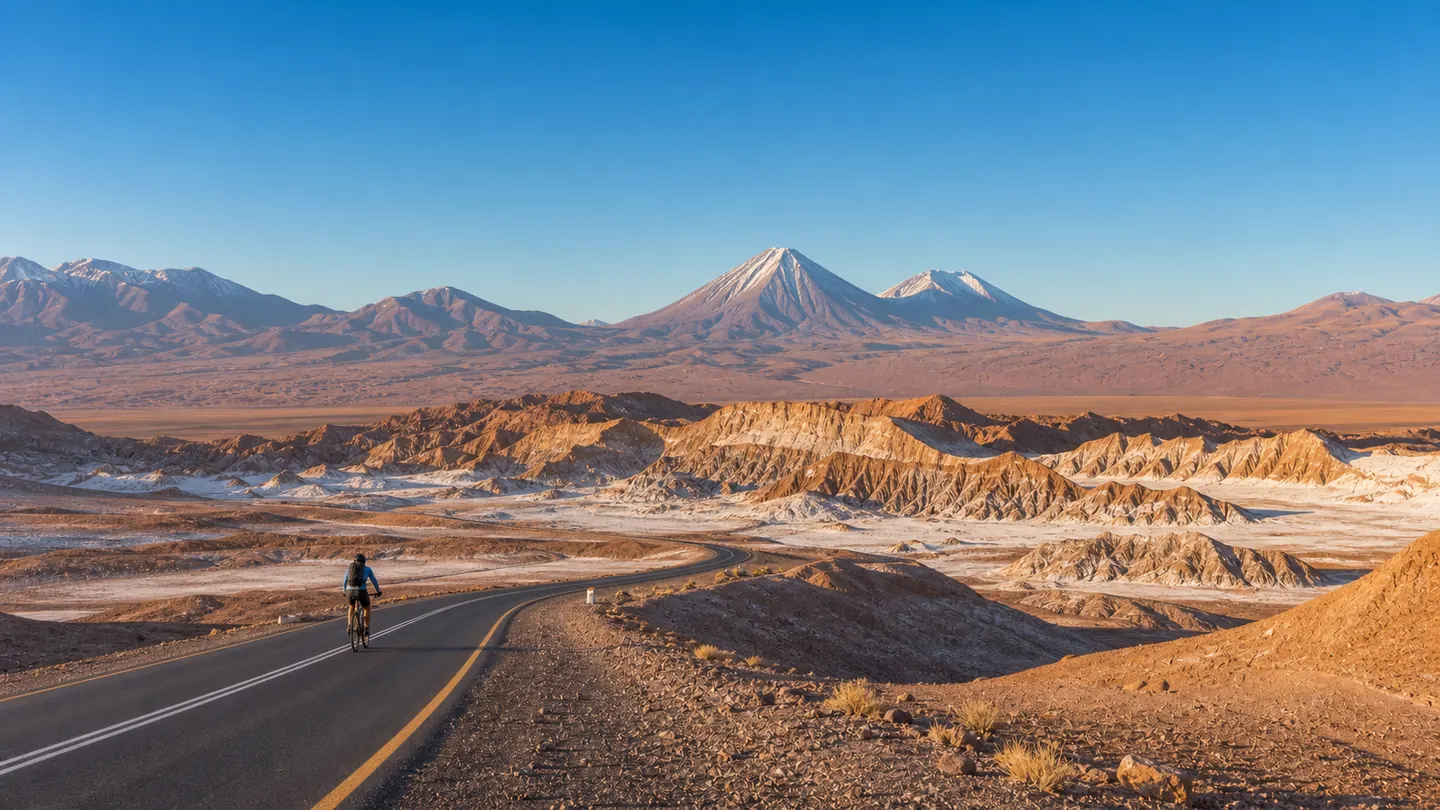
Distance is not the whole story
This matters because valle de la Luna is close to San Pedro, but the environment amplifies effort. A successful visit starts with this level of reading: before thinking about photos, transport or the next excursion, understand the constraint that shapes the day.
In practice, sun, wind, dust, lack of shade and entry windows matter more than the map distance. That means accepting adaptation. Valle de la Luna is not an urban attraction with the same script every day; safety and conservation come first.
Practical application
- Valle de la Luna is close to San Pedro, but the environment amplifies effort.
- Sun, wind, dust, lack of shade and entry windows matter more than the map distance.
- The right decision starts with your real physical condition, not an optimistic route line.
Turn this into one simple action: verify, reduce the plan if needed, then keep time to observe. This method makes the experience calmer, more professional and more respectful of the place.
The point is not to make the itinerary more complicated. It is to remove fragile assumptions before they create stress on site. When the plan has room to breathe, the same landscape becomes easier to understand, safer to enjoy and more memorable after the trip.
Bike: beautiful but demanding
This matters because cycling creates a direct relationship with the landscape and reduces noise impact. A successful visit starts with this level of reading: before thinking about photos, transport or the next excursion, understand the constraint that shapes the day.
In practice, it requires excellent water, sun and return-time management. That means accepting adaptation. Valle de la Luna is not an urban attraction with the same script every day; safety and conservation come first.
Practical application
- Cycling creates a direct relationship with the landscape and reduces noise impact.
- It requires excellent water, sun and return-time management.
- Cyclist access windows should be checked because they can be more limited than motorized access.
Turn this into one simple action: verify, reduce the plan if needed, then keep time to observe. This method makes the experience calmer, more professional and more respectful of the place.
The point is not to make the itinerary more complicated. It is to remove fragile assumptions before they create stress on site. When the plan has room to breathe, the same landscape becomes easier to understand, safer to enjoy and more memorable after the trip.
Car: flexible and responsible
This matters because a car helps manage water, breaks and plan changes. A successful visit starts with this level of reading: before thinking about photos, transport or the next excursion, understand the constraint that shapes the day.
In practice, it also requires strict respect for speed, parking areas and authorized tracks. That means accepting adaptation. Valle de la Luna is not an urban attraction with the same script every day; safety and conservation come first.
Practical application
- A car helps manage water, breaks and plan changes.
- It also requires strict respect for speed, parking areas and authorized tracks.
- Vehicle convenience should never become an excuse to leave designated spaces.
Turn this into one simple action: verify, reduce the plan if needed, then keep time to observe. This method makes the experience calmer, more professional and more respectful of the place.
The point is not to make the itinerary more complicated. It is to remove fragile assumptions before they create stress on site. When the plan has room to breathe, the same landscape becomes easier to understand, safer to enjoy and more memorable after the trip.
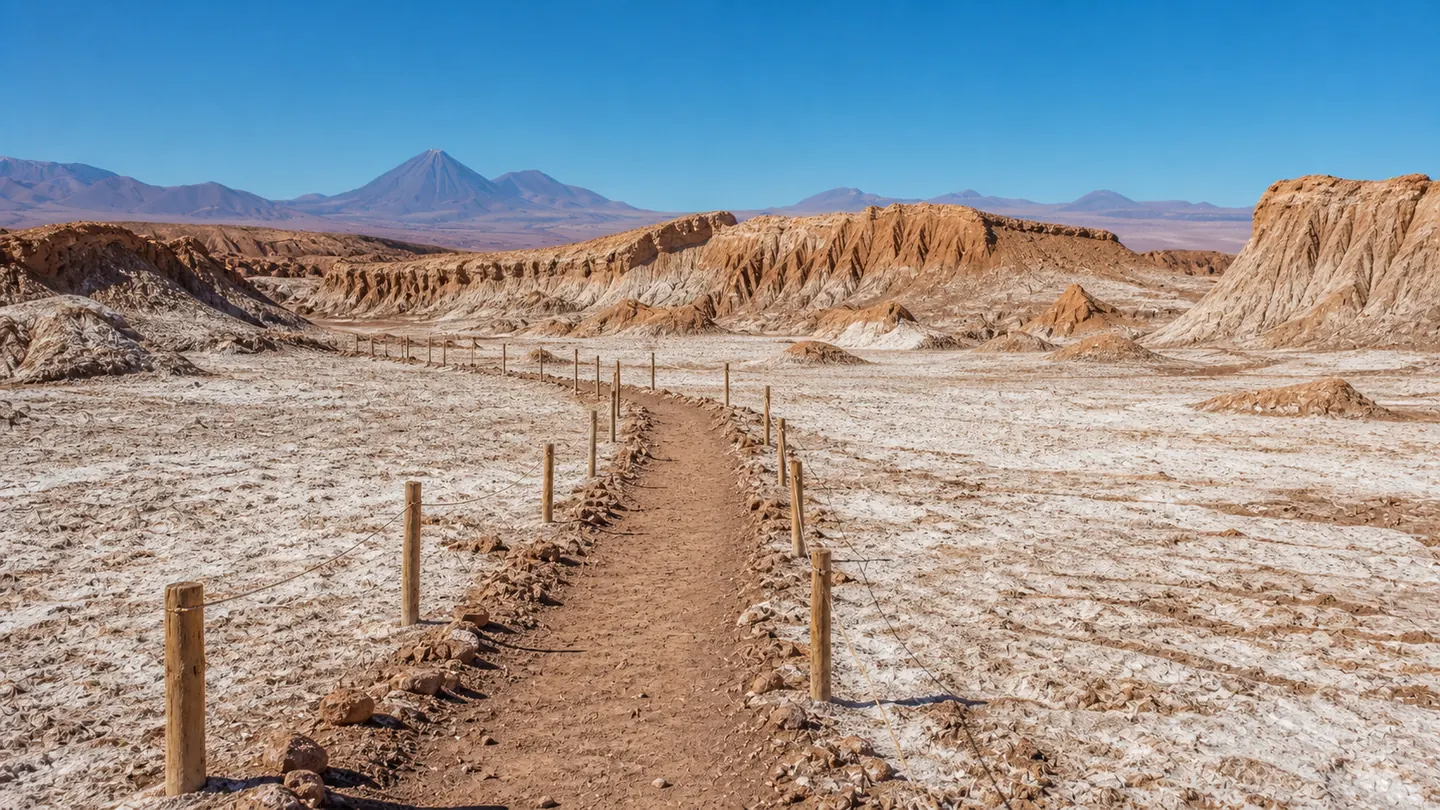
Guided tour: less free, simpler
This matters because a shared tour removes a lot of friction: transport, timing, explanations and return logistics. A successful visit starts with this level of reading: before thinking about photos, transport or the next excursion, understand the constraint that shapes the day.
In practice, it may be less flexible for photos or long pauses. That means accepting adaptation. Valle de la Luna is not an urban attraction with the same script every day; safety and conservation come first.
Practical application
- A shared tour removes a lot of friction: transport, timing, explanations and return logistics.
- It may be less flexible for photos or long pauses.
- It is often the most comfortable option for a short first visit.
Turn this into one simple action: verify, reduce the plan if needed, then keep time to observe. This method makes the experience calmer, more professional and more respectful of the place.
The point is not to make the itinerary more complicated. It is to remove fragile assumptions before they create stress on site. When the plan has room to breathe, the same landscape becomes easier to understand, safer to enjoy and more memorable after the trip.
Safety and weather
This matters because wind can make cycling hard, and heat can turn a short climb into a problem. A successful visit starts with this level of reading: before thinking about photos, transport or the next excursion, understand the constraint that shapes the day.
In practice, light drops quickly after sunset, making the return more delicate. That means accepting adaptation. Valle de la Luna is not an urban attraction with the same script every day; safety and conservation come first.
Practical application
- Wind can make cycling hard, and heat can turn a short climb into a problem.
- Light drops quickly after sunset, making the return more delicate.
- Temporary closures or weather adaptations must be expected.
Turn this into one simple action: verify, reduce the plan if needed, then keep time to observe. This method makes the experience calmer, more professional and more respectful of the place.
The point is not to make the itinerary more complicated. It is to remove fragile assumptions before they create stress on site. When the plan has room to breathe, the same landscape becomes easier to understand, safer to enjoy and more memorable after the trip.
Quick decision by profile
This matters because choose a bike if you are fit, well equipped, early and ready to give up if wind is bad. A successful visit starts with this level of reading: before thinking about photos, transport or the next excursion, understand the constraint that shapes the day.
In practice, choose a car if you want flexibility and accept the responsibility that comes with it. That means accepting adaptation. Valle de la Luna is not an urban attraction with the same script every day; safety and conservation come first.
Practical application
- Choose a bike if you are fit, well equipped, early and ready to give up if wind is bad.
- Choose a car if you want flexibility and accept the responsibility that comes with it.
- Choose a tour if you prefer to delegate logistics and learn from a local guide.
Turn this into one simple action: verify, reduce the plan if needed, then keep time to observe. This method makes the experience calmer, more professional and more respectful of the place.
The point is not to make the itinerary more complicated. It is to remove fragile assumptions before they create stress on site. When the plan has room to breathe, the same landscape becomes easier to understand, safer to enjoy and more memorable after the trip.
Action plan before you go
Use this checklist before committing to the day:
- Check official hours, ticket rules, open sectors and weather notices.
- Choose one main goal: landscape reading, sunset, photography, family comfort or transport decision.
- Carry water, sun protection, a wind layer and closed shoes.
- Keep margin for entry, stops, instructions and the return.
- Stay inside authorized areas even if another visitor crosses a boundary.
- Adjust the plan if wind, dust, heat or fatigue changes the experience.
- Prepare photos without blocking viewpoints or encouraging risky behavior.
- Read official temporary notices again before leaving San Pedro.
This plan does not try to make Atacama predictable. It gives enough structure for surprises to remain manageable, which is exactly what a fragile desert landscape requires.
Frequently asked questions
Is cycling recommended for everyone?
No. It suits fit travelers who are used to sun exposure and can manage water and timing.
Can bikes enter all day?
Bicycle access usually follows specific time windows, so check current rules before leaving.
Is a car allowed everywhere?
No. Stay on authorized roads and parking areas, drive slowly and follow site instructions.
Is a guided tour worth it?
For a short first visit, often yes, because it reduces timing mistakes and adds context.
What is best with children?
A tour or well-prepared car visit is usually more comfortable than cycling in heat and wind.
Sources and editorial caution
Practical details change. Opening hours, prices, closures and site rules must be checked on the official Valle de la Luna ticketing channel and the CONAF page for Reserva Nacional Los Flamencos before making a final plan.