This guide is written for travelers with three days on site who need to balance scenery, altitude, fatigue and light. The goal is to handle organizing a short stay with practical judgment: what to check, what to avoid, and how to keep enough margin for the desert to feel memorable rather than stressful.
The promise is simple: avoid the overloaded program that turns San Pedro into a bus marathon. Keep the Atacama itinerary ideas and the altitude and sun preparation open as companions, because they turn this advice into day-of decisions.
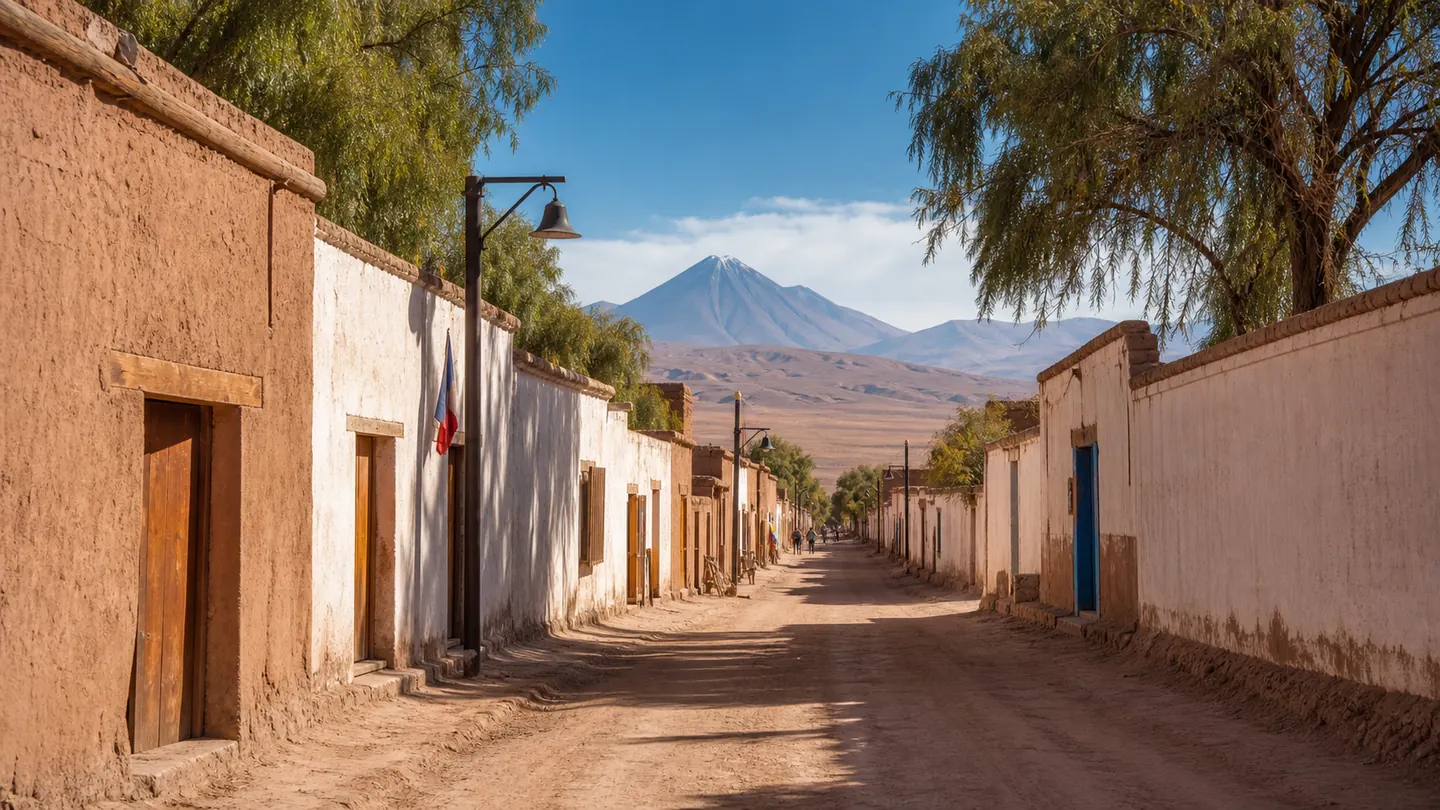
Start lower, climb later
This matters because san Pedro is already at altitude, and some excursions climb much higher. A successful visit starts with this level of reading: before thinking about photos, transport or the next excursion, understand the constraint that shapes the day.
In practice, placing Valle de la Luna early is often logical because access is close and less extreme than high-altitude lagoons. That means accepting adaptation. Valle de la Luna is not an urban attraction with the same script every day; safety and conservation come first.
Practical application
- San Pedro is already at altitude, and some excursions climb much higher.
- Placing Valle de la Luna early is often logical because access is close and less extreme than high-altitude lagoons.
- The first day should remain flexible, especially after the transfer from Calama.
Turn this into one simple action: verify, reduce the plan if needed, then keep time to observe. This method makes the experience calmer, more professional and more respectful of the place.
The point is not to make the itinerary more complicated. It is to remove fragile assumptions before they create stress on site. When the plan has room to breathe, the same landscape becomes easier to understand, safer to enjoy and more memorable after the trip.
Day 1: arrival and Valle de la Luna
This matters because arrive, hydrate, eat simply and check official hours before leaving. A successful visit starts with this level of reading: before thinking about photos, transport or the next excursion, understand the constraint that shapes the day.
In practice, a late-afternoon visit can give a powerful first contact with Cordillera de la Sal. That means accepting adaptation. Valle de la Luna is not an urban attraction with the same script every day; safety and conservation come first.
Practical application
- Arrive, hydrate, eat simply and check official hours before leaving.
- A late-afternoon visit can give a powerful first contact with Cordillera de la Sal.
- Keep enough energy to return calmly, eat early and prepare the next day.
Turn this into one simple action: verify, reduce the plan if needed, then keep time to observe. This method makes the experience calmer, more professional and more respectful of the place.
The point is not to make the itinerary more complicated. It is to remove fragile assumptions before they create stress on site. When the plan has room to breathe, the same landscape becomes easier to understand, safer to enjoy and more memorable after the trip.
Day 2: salar, lagoons or a complementary valley
This matters because the second day can show another side of Atacama: salar, lagoons or colored valleys. A successful visit starts with this level of reading: before thinking about photos, transport or the next excursion, understand the constraint that shapes the day.
In practice, the choice depends on season, access and your tolerance for altitude. That means accepting adaptation. Valle de la Luna is not an urban attraction with the same script every day; safety and conservation come first.
Practical application
- The second day can show another side of Atacama: salar, lagoons or colored valleys.
- The choice depends on season, access and your tolerance for altitude.
- A moderate program experienced well is better than a spectacular list done exhausted.
Turn this into one simple action: verify, reduce the plan if needed, then keep time to observe. This method makes the experience calmer, more professional and more respectful of the place.
The point is not to make the itinerary more complicated. It is to remove fragile assumptions before they create stress on site. When the plan has room to breathe, the same landscape becomes easier to understand, safer to enjoy and more memorable after the trip.
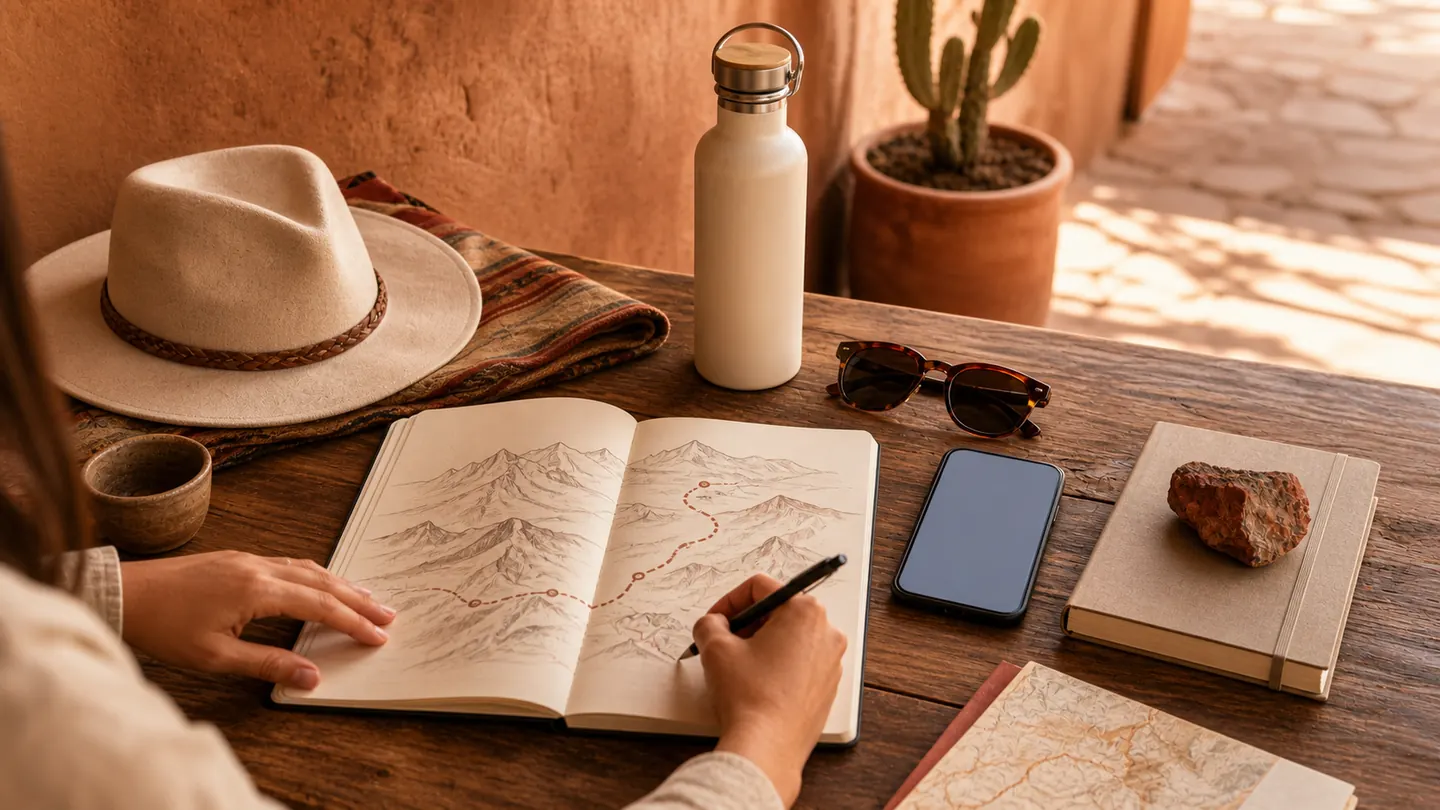
Day 3: high altitude or a slower experience
This matters because geysers or high lagoons often require an early departure and serious cold management. A successful visit starts with this level of reading: before thinking about photos, transport or the next excursion, understand the constraint that shapes the day.
In practice, if fatigue is present, a slower village-based option may be smarter. That means accepting adaptation. Valle de la Luna is not an urban attraction with the same script every day; safety and conservation come first.
Practical application
- Geysers or high lagoons often require an early departure and serious cold management.
- If fatigue is present, a slower village-based option may be smarter.
- The final day must also include the return logistics to Calama.
Turn this into one simple action: verify, reduce the plan if needed, then keep time to observe. This method makes the experience calmer, more professional and more respectful of the place.
The point is not to make the itinerary more complicated. It is to remove fragile assumptions before they create stress on site. When the plan has room to breathe, the same landscape becomes easier to understand, safer to enjoy and more memorable after the trip.
Where astronomy fits
This matters because san Pedro is famous for sky observation, but access must remain authorized and weather dependent. A successful visit starts with this level of reading: before thinking about photos, transport or the next excursion, understand the constraint that shapes the day.
In practice, an astronomy night after a demanding high-altitude day may be too much. That means accepting adaptation. Valle de la Luna is not an urban attraction with the same script every day; safety and conservation come first.
Practical application
- San Pedro is famous for sky observation, but access must remain authorized and weather dependent.
- An astronomy night after a demanding high-altitude day may be too much.
- Choose a clear evening and keep the following morning lighter if possible.
Turn this into one simple action: verify, reduce the plan if needed, then keep time to observe. This method makes the experience calmer, more professional and more respectful of the place.
The point is not to make the itinerary more complicated. It is to remove fragile assumptions before they create stress on site. When the plan has room to breathe, the same landscape becomes easier to understand, safer to enjoy and more memorable after the trip.
Adapt the route to your profile
This matters because a photographer couple will not need the same rhythm as a family or solo traveler without a car. A successful visit starts with this level of reading: before thinking about photos, transport or the next excursion, understand the constraint that shapes the day.
In practice, shared tours simplify transport but impose their timing. That means accepting adaptation. Valle de la Luna is not an urban attraction with the same script every day; safety and conservation come first.
Practical application
- A photographer couple will not need the same rhythm as a family or solo traveler without a car.
- Shared tours simplify transport but impose their timing.
- Independence adds flexibility but also requires more checking of rules and distances.
Turn this into one simple action: verify, reduce the plan if needed, then keep time to observe. This method makes the experience calmer, more professional and more respectful of the place.
The point is not to make the itinerary more complicated. It is to remove fragile assumptions before they create stress on site. When the plan has room to breathe, the same landscape becomes easier to understand, safer to enjoy and more memorable after the trip.
Action plan before you go
Use this checklist before committing to the day:
- Check official hours, ticket rules, open sectors and weather notices.
- Choose one main goal: landscape reading, sunset, photography, family comfort or transport decision.
- Carry water, sun protection, a wind layer and closed shoes.
- Keep margin for entry, stops, instructions and the return.
- Stay inside authorized areas even if another visitor crosses a boundary.
- Adjust the plan if wind, dust, heat or fatigue changes the experience.
- Prepare photos without blocking viewpoints or encouraging risky behavior.
- Read official temporary notices again before leaving San Pedro.
This plan does not try to make Atacama predictable. It gives enough structure for surprises to remain manageable, which is exactly what a fragile desert landscape requires.
Frequently asked questions
Are three days enough?
Yes, for a strong first overview, as long as you make choices instead of trying to see everything.
Should Valle de la Luna be on day one?
Often yes, because the site is close to San Pedro and usually less demanding than high-altitude excursions.
Can I combine geysers and Valle de la Luna in one day?
Some programs do, but it can be tiring. Look at departure time, season and your own energy.
Where should I stay?
San Pedro de Atacama remains the most practical base for excursions and access to Valle de la Luna.
How do I avoid overload?
Keep one major experience per day and schedule real breaks, especially with altitude and sun.
Sources and editorial caution
Practical details change. Opening hours, prices, closures and site rules must be checked on the official Valle de la Luna ticketing channel and the CONAF page for Reserva Nacional Los Flamencos before making a final plan.